
Wind Uplift Verification Testing For Wind-Vented Roofs
Vortex Vault field verification is performed by Dynamic Engineering Design & Inspection and available exclusively through ERC for wind-vented roof systems


If you are specifying, installing, or owning a wind-vented roof, the question is not whether the membrane looks clean. The question is whether the assembly is sealed and responding consistently across the roof area under wind uplift conditions. Dynamic Engineering’s wind-vented roof testing provides field verification and documentation of installed system response.
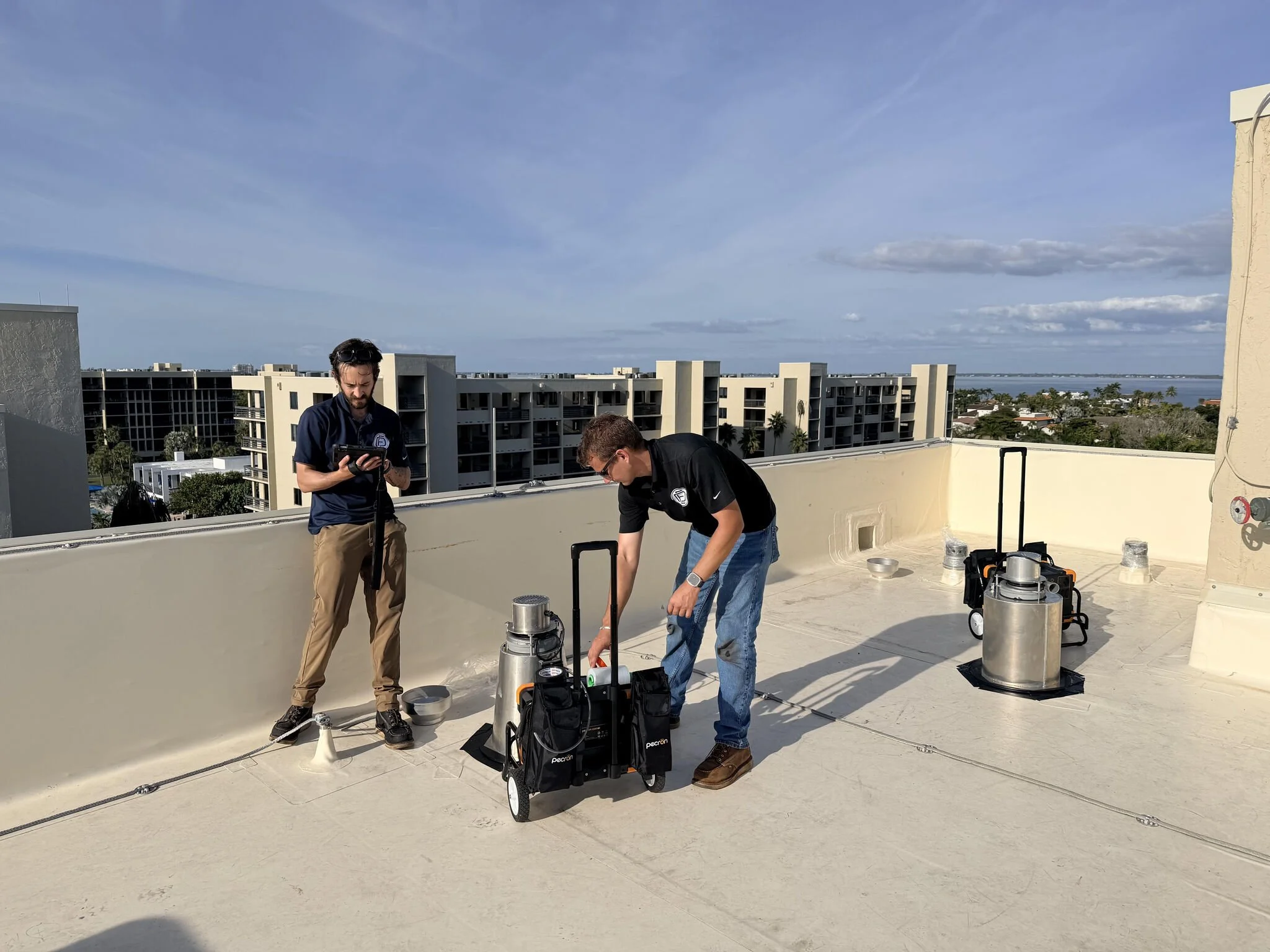
What This Testing Confirms
A wind-vented roof functions as a pressure-equalization system. When wind flows over the roof surface, pressure above the membrane decreases and air is evacuated through the vents. As plenum pressure approaches external pressure, net uplift is reduced, limiting membrane ballooning and reducing demand on edge securement.
Under steady-state conditions, plenum pressure is governed by the balance between airflow leaving through the vents and airflow entering through leakage paths. That is why air seal integrity and pressure transfer across the roof area matter.
Vortex Vault Field Verification
Vortex Vault is Dynamic Engineering’s proprietary field testing for wind-vented roof systems. The WVRT documentation identifies the test standard as proprietary and the method as “Negative Vacuum Chamber Testing.”
This page is intentionally focused on what the testing verifies and what the documentation supports. Detailed procedures remain proprietary.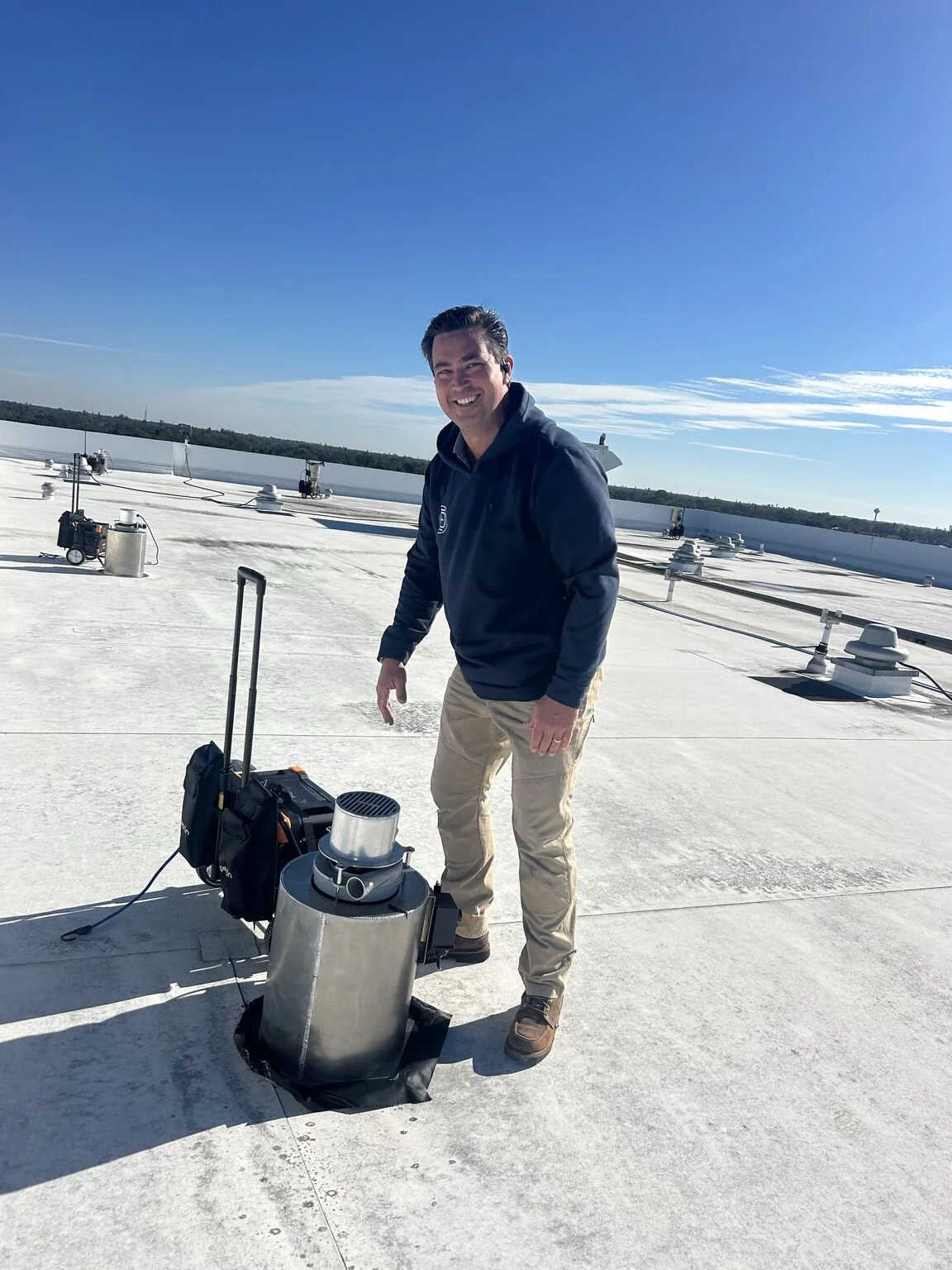
Typical Project Applications
Closeout Verification: Used before turnover to document installed system response and support closeout conversations.
Troubleshooting: Used when leakage is suspected or when response is inconsistent across the roof area.
Due Diligence: Used to support owner and consultant decisions with field documentation.
Post-Event Verification: Used after significant wind exposure to document condition and system response.
Documentation Provided
Deliverables are formatted for project records and third-party communication. Typical documentation includes:
• Field Verification Summary Describing Observed System Response
• Tested Location Documentation (Roof Plan Markup Or Annotated Roof Sketch)
• Photo Documentation From The Field
• Findings And Next-Step Recommendations When Results Indicate Concern
• Optional Re-Check Documentation After Corrective Work
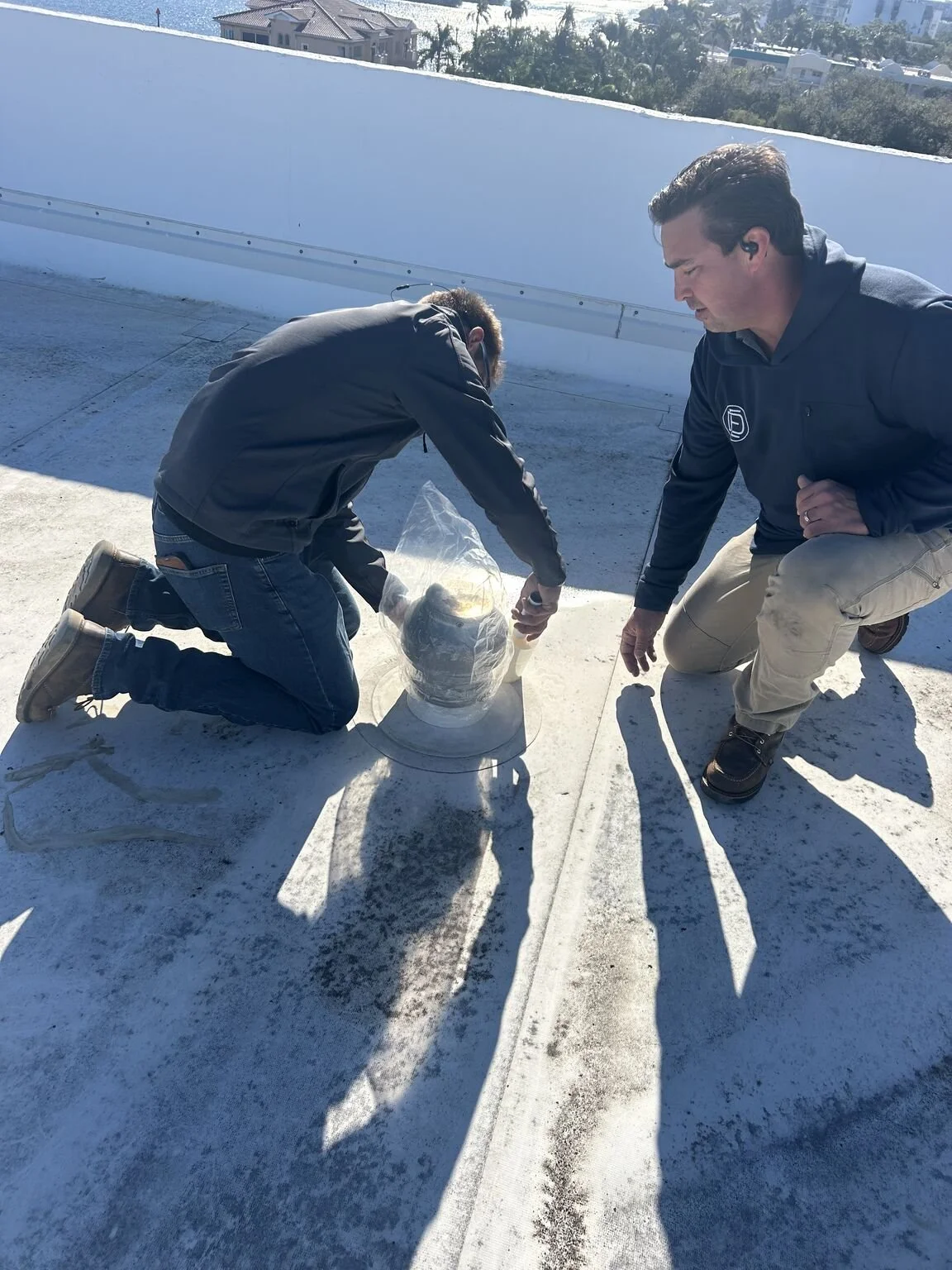
Smoke test showing where an air seal failed.
Exclusive Availability Through ERC
Vortex Vault field verification is performed by Dynamic Engineering Design & Inspection and available exclusively through ERC for wind-vented roof systems.
Frequently Asked Questions
Is Testing Destructive?
The process is designed to be non-destructive. If results indicate probable leakage, targeted investigation may be recommended to confirm the leakage path and support repair planning.
Does Testing Identify The Exact Leak?
This is verification and diagnosis. It can indicate conditions consistent with leakage and help narrow the likely area. Confirming the specific leakage path can require localized investigation depending on the project.
Who Performs The Testing?
Dynamic Engineering Design & Inspection performs the field verification and issues the test documentation.
Does This Replace Code Requirements Or Design Responsibility?
No. Field verification supports evaluation of installed system response. Roof system design, code compliance, and wind uplift calculations remain the responsibility of the project design professional and team.
Request Testing
Submit the form and an ERC representative will follow up to confirm project basics and coordinate scheduling.